




Case study: manually recovering 305+ Staples orders through three rounds of EDI failures
What was supposed to happen
For the Staples Canada B2B account, Crstl was brought in as the EDI provider. The idea was simple: automate PO and fulfillment data syncing with ShipHero, so orders moved from Staples to warehouse to customer without anyone touching them by hand.
Staples → Crstl EDI → ShipHero → Warehouse → Customer.
That's the workflow on paper.
Where it broke
In practice, the automation had gaps. Customer addresses came through wrong or missing. Packing slips didn't generate correctly. GS1 labels had issues. Tracking links needed manual updates. The warehouse side had its own workflow problems on top of it.
For a retail account like Staples, that's not a minor inconvenience. Missing packing slips or wrong GS1 labels can mean fines and chargebacks. Late shipments put the whole relationship at risk.
So the priority was simple: whatever was breaking on the backend, Staples couldn't see it or feel it.
Three rounds, 305+ orders, all handled manually
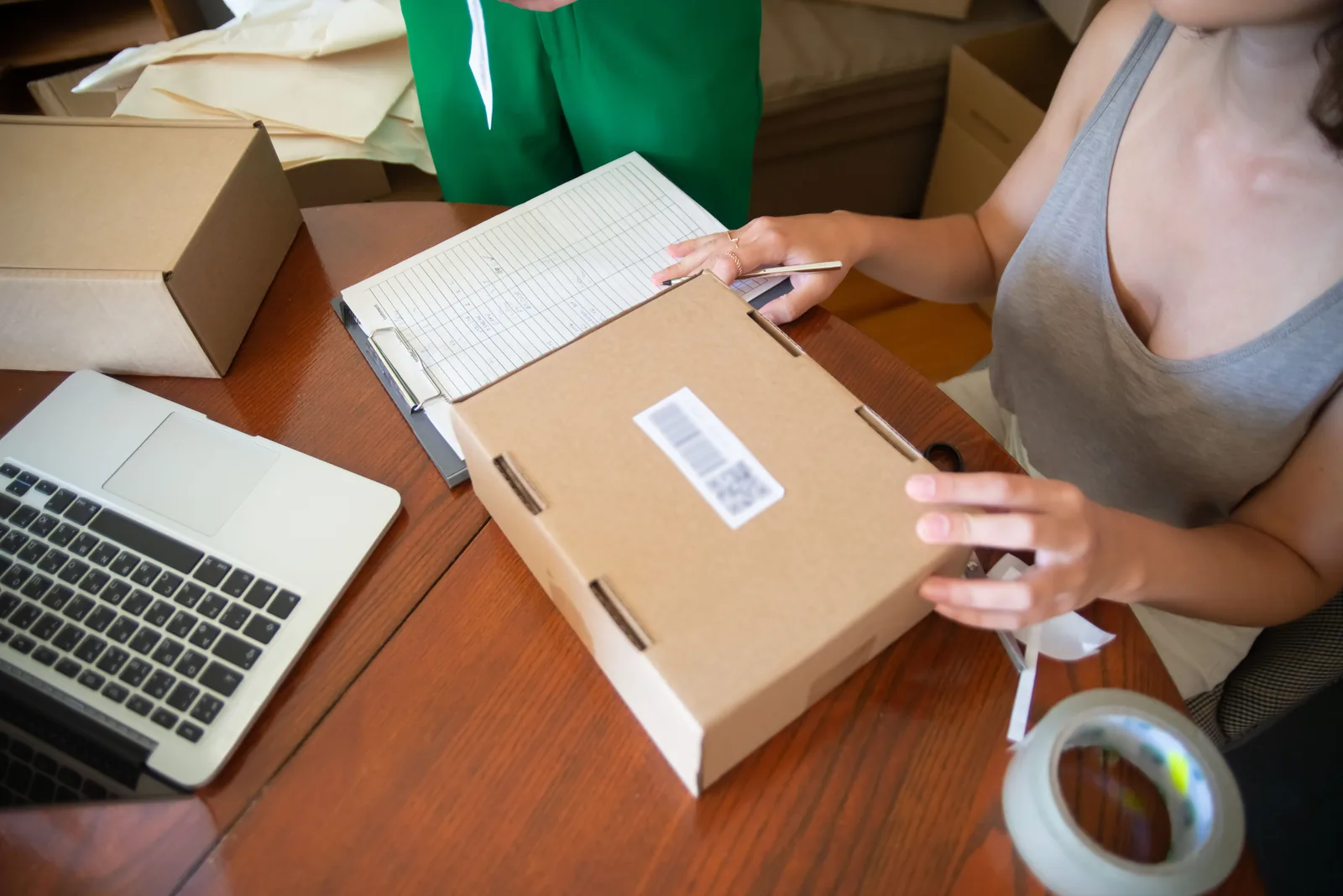
Round 1: 165+ orders. Packing slips and GS1 labels weren't attaching automatically. We attached them by hand, along with updating tracking links, order by order.
Round 2: 65+ orders. This time, Crstl was sending the wrong customer addresses. We verified and corrected every address manually, on top of the same packing slip, label, and tracking work from round one.
Round 3: 75+ orders. By now, Crstl had the documents integrated, but the warehouse couldn't pull them from ShipHero properly. Same fix, different cause. Manually retrieved and attached everything, updated tracking again.
Three different root causes. Same manual fix each time, because the orders still had to ship correctly regardless of what was breaking upstream.
What came out of it
305+ orders shipped correctly, even though the system wasn't doing what it was supposed to.
Staples' documentation and labeling requirements were met every round, with no gaps in compliance.
Tracking stayed visible to the customer even when the automated updates weren't firing.
Address errors got caught and fixed before they became failed deliveries.
Fines and chargebacks were avoided by making sure nothing went out incomplete.
The relationship with Staples stayed intact through three separate system failures they never had to know about.
The actual lesson here
An EDI connection isn't automation on its own. Crstl, ShipHero, the warehouse, and the team all have to work together, and if one piece breaks, the process breaks unless people catch it.
Technology plus process plus people. Take any one of those out, and this doesn't hold.
Bottom line
This wasn't really an EDI troubleshooting story. It was three rounds of the system failing in three different ways, and the order still going out right every time. Right order, right documentation, right label, right tracking, right customer experience, even when nothing upstream was working the way it should.
Credit to Sajjad for the guidance through this, and to Hammad, Jasim, and Saboor for grinding through all three rounds.