
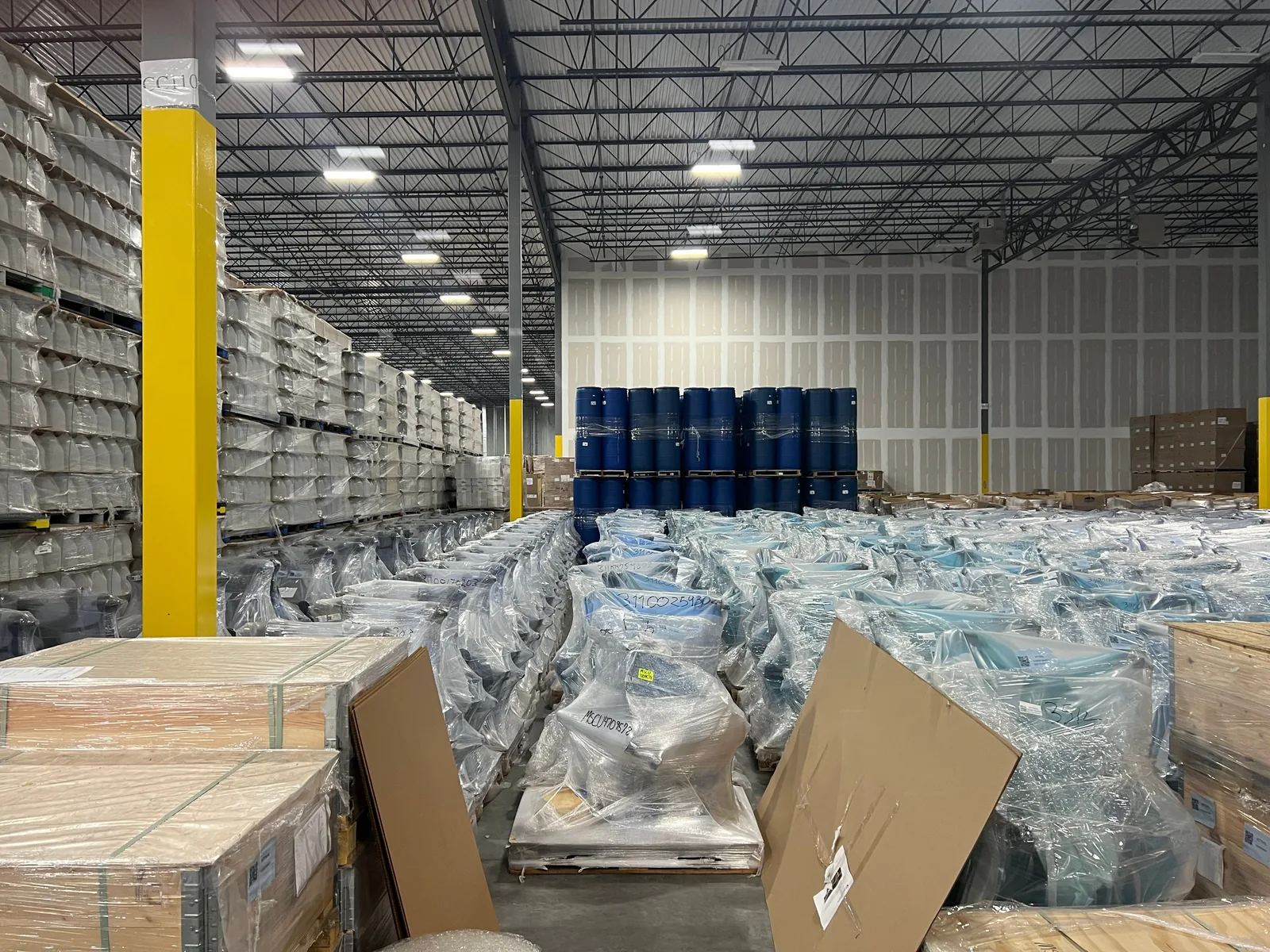
Case study: renegotiating payment terms and MOQ with an Amazon supplier
Where we started
Every PO with this supplier required 100% payment upfront. On a $20K order, that's $20K tied up from day one, before a single unit had shipped to Amazon.
On top of that, the MOQ sat at 500 units per SKU. Fine for fast movers. A real problem for slower SKUs, where 500 units meant carrying inventory well past what actual demand justified.
What we negotiated
Payment terms. We moved from 100% upfront to 50% upfront, 50% when the shipment is ready.
Same $20K PO now only ties up $10K at the start. The other $10K stays available until the goods are actually ready to ship. That's real working capital freed up, not locked into production for weeks while we wait.
MOQ. The fixed 500-unit minimum is gone. We now order based on what a SKU actually needs, not a flat number applied across every product regardless of how it sells on Amazon.
Product modifications. Still in progress. We're negotiating pricing on upcoming product changes now, aiming to get what we need without the cost climbing more than it has to.
What this changes
Cash flow: half the capital committed upfront instead of all of it
Purchasing flexibility: more room to open new POs without cash getting stuck in one order
Inventory efficiency: slow-moving SKUs no longer forced into 500-unit minimums
Lower overstock risk across the Amazon catalog
The bigger picture
None of this changes what we're selling on Amazon. It changes how much cash sits locked up getting there, and how closely purchasing can match actual demand instead of a supplier's default terms.