
Case study: redesigning FBA packaging to cut placement and shipping costs
The problem
We were shipping a smaller SKU in mixed-SKU case packs. That approach kept running into FBA's 150-unit case-pack limit, and every time it hit that ceiling, it drove up placement fees and left the shipment less efficient than it should've been.
The packaging wasn't built around the product. It was built around whatever combination of SKUs fit into a case, and that's expensive at scale.
What we changed
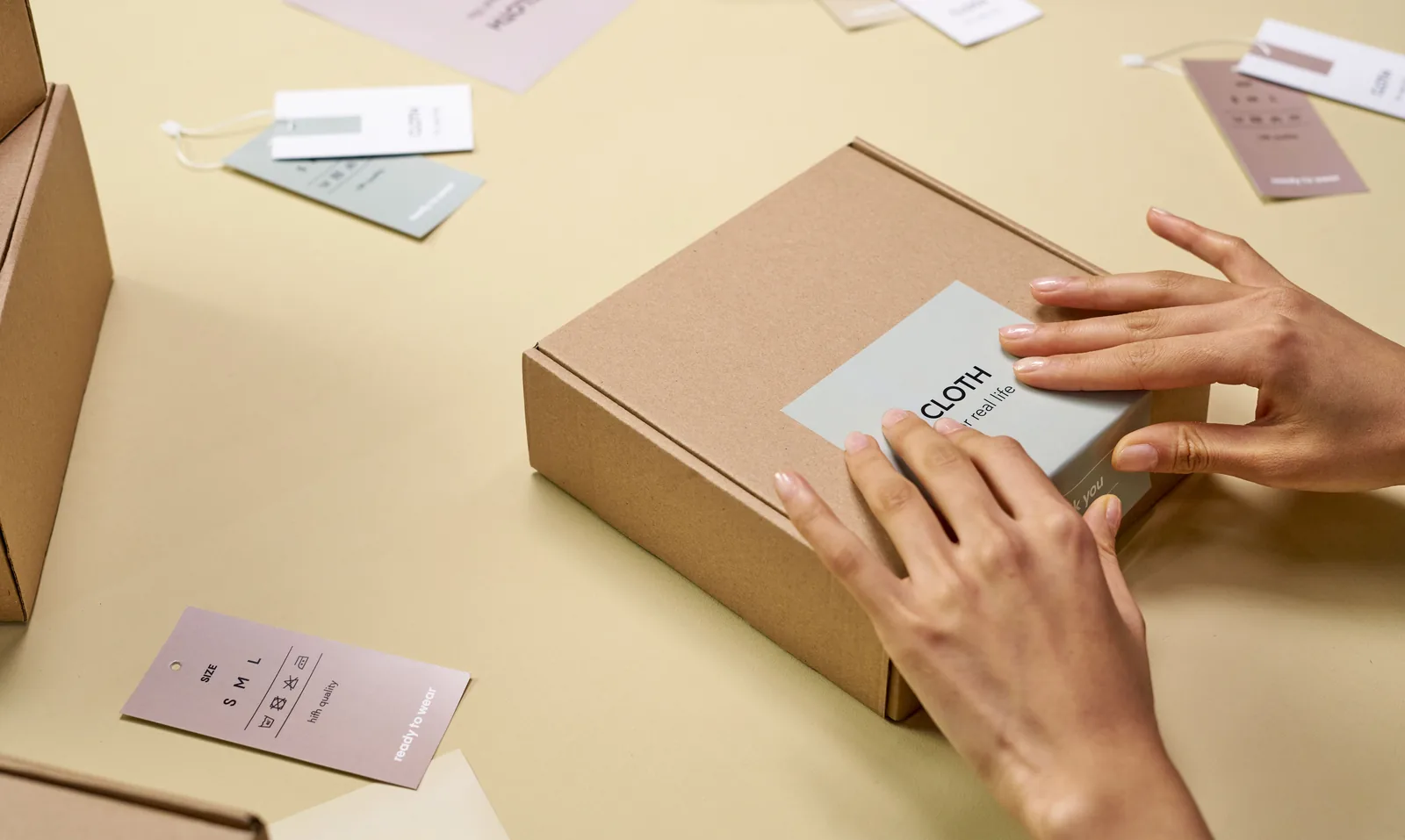
We outsourced dedicated cartons to a different supplier and redesigned the whole approach: one SKU per carton, dimensions built specifically around this product instead of a generic case size.
No more squeezing mixed SKUs into a shared box. Just cartons sized for what was actually going in them.
What that fixed
Mixed-SKU cartons are gone. The 150-unit limitation stopped being a constraint because the packaging no longer fought against it. Carton dimensions now match the product, so shipments carry more usable space instead of wasted air.
FBA and shipment costs dropped meaningfully. Shipment utilization improved. And this isn't a one-off fix; it's a packaging setup that scales cleanly for future shipments of the same SKU.
The takeaway
This started as a recurring cost problem, the kind of thing that quietly adds up shipment after shipment without anyone stepping back to ask why. Redesigning the carton around the product instead of the case-pack limit turned that ongoing cost into a fixed, lasting saving.