
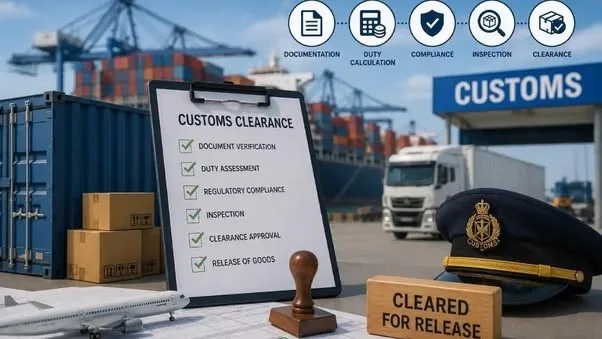
Navigating CPSC clearance: how to avoid port holds
You execute the perfect product launch. The marketing is dialed in, and the initial sales are massive. The only problem is that you have zero inventory to fulfill the orders.
Your shipping container arrived at the port five days ago, but the Consumer Product Safety Commission (CPSC) flagged it. Your freight is locked in a customs hold. Every single day that container sits on the dock, you are bleeding cash in demurrage fees, and your customers are waiting.
The CPSC aggressively monitors inbound freight for safety compliance, particularly for electronics, apparel, and children's items. A polite email to your freight forwarder will not release your goods. You survive CPSC scrutiny by building compliance into your supply chain before the goods ever leave the factory.
Here is how you clear customs without the friction.
Master the GCC and CPC
If your product is regulated, you cannot import it based on a factory's promise that it is safe. You need hard documentation.
For general use products, you need a General Certificate of Conformity (GCC). If your item is designed for children under 12, the rules are much stricter. You need a Children's Product Certificate (CPC), and the product must be tested by a CPSC-accepted, third-party laboratory.
If customs asks for your certificate and you do not have it, or if the testing was done by an unaccredited lab, your shipment will be rejected.
Transmit data before the ship docks
Never wait until your container hits the port to figure out your paperwork.
The US Customs and Border Protection (CBP) and the CPSC use a digital system called the Automated Commercial Environment (ACE). Your customs broker must upload your GCC or CPC data into the ACE system long before the vessel arrives. Filing your compliance data early allows the CPSC to electronically review and clear your shipment while it is still on the ocean, preventing physical holds at the terminal.
Enforce strict tracking labels
Paperwork is only half the battle. The CPSC will physically inspect a percentage of your shipments.
If you are importing children's products, the CPSC mandates permanent tracking labels on both the product and its packaging. These labels must clearly state the manufacturer's name, location, and date of production. If an inspector opens your box and the tracking label is missing or printed on a removable sticker, they will seize the inventory.
Clear customs smoothly with A2Z Supply Chain
Arguing with customs agents is not a scalable business model. A2Z Supply Chain manages your import compliance so your freight never stops moving.
Supplier coordination: We force your overseas factories to use CPSC-accredited testing labs before they load the container.
Logistics: We work with top-tier customs brokers to ensure your ACE data is filed perfectly while the goods are still in transit.
Inventory planning: We build precise safety buffers into your supply chain to protect your storefront in the rare event of a random physical exam.
Packaging audits: We review your physical product samples to guarantee your tracking labels meet strict CPSC compliance standards.
Round-the-clock support: Our ops pod works 24/7 on Slack to monitor your customs clearance status and resolve documentation flags instantly.