Quality control at the source: catch defects on the factory floor
Quick answer: Quality control at the source means catching defects before goods leave the factory, not after a container full of unsellable inventory shows up at your warehouse. That means writing hard AQL limits into your contract, running a mid-production check instead of waiting for the final one, and using an independent inspector who has no reason to tell you what you want to hear.
Receiving a container full of unsellable goods destroys your cash flow. You paid for the manufacturing. You paid for the ocean freight. Now you're paying a local warehouse to throw the inventory in a dumpster.
Catching errors after the goods cross the ocean is a failure in operations, not bad luck. By that point, the money's already spent, and there's nothing left to do but eat the loss. The fix is catching problems on the factory floor, before a single unit ships.
Give the factory hard numbers
A vague request for "high quality" means nothing to an assembly line worker running the same motion a thousand times a day. They need a number, not an adjective.
Write a strict Acceptable Quality Limit (AQL) into your contract. Spell out exactly how many minor scratches or misaligned seams trigger a full batch rejection, not a vague "reasonable defect rate" clause that means whatever the factory decides it means when a dispute comes up.
Put the financial burden where it belongs too. If a batch fails, the factory should cover the raw materials and labor to remake it, not you.
Run a mid-production check, not just a final one
Waiting until the final inspection is risky. If a factory pulls the wrong raw material on day one, the entire run is already ruined by the time anyone checks it.
A mid-production inspection, once about 20% of the order is assembled, catches that early. If the fabric color's wrong or a seam's misaligned across the first batch, the line stops and gets corrected before another 5,000 units get made the same wrong way.
This one check tends to save more money than any other single step in the process, mostly because it happens while there's still time to actually fix something.
Don't rely on the factory's own inspectors
A factory's internal quality team has a financial incentive to pass the goods and collect the final invoice. That's not a conspiracy theory; it's just how the incentive is structured.
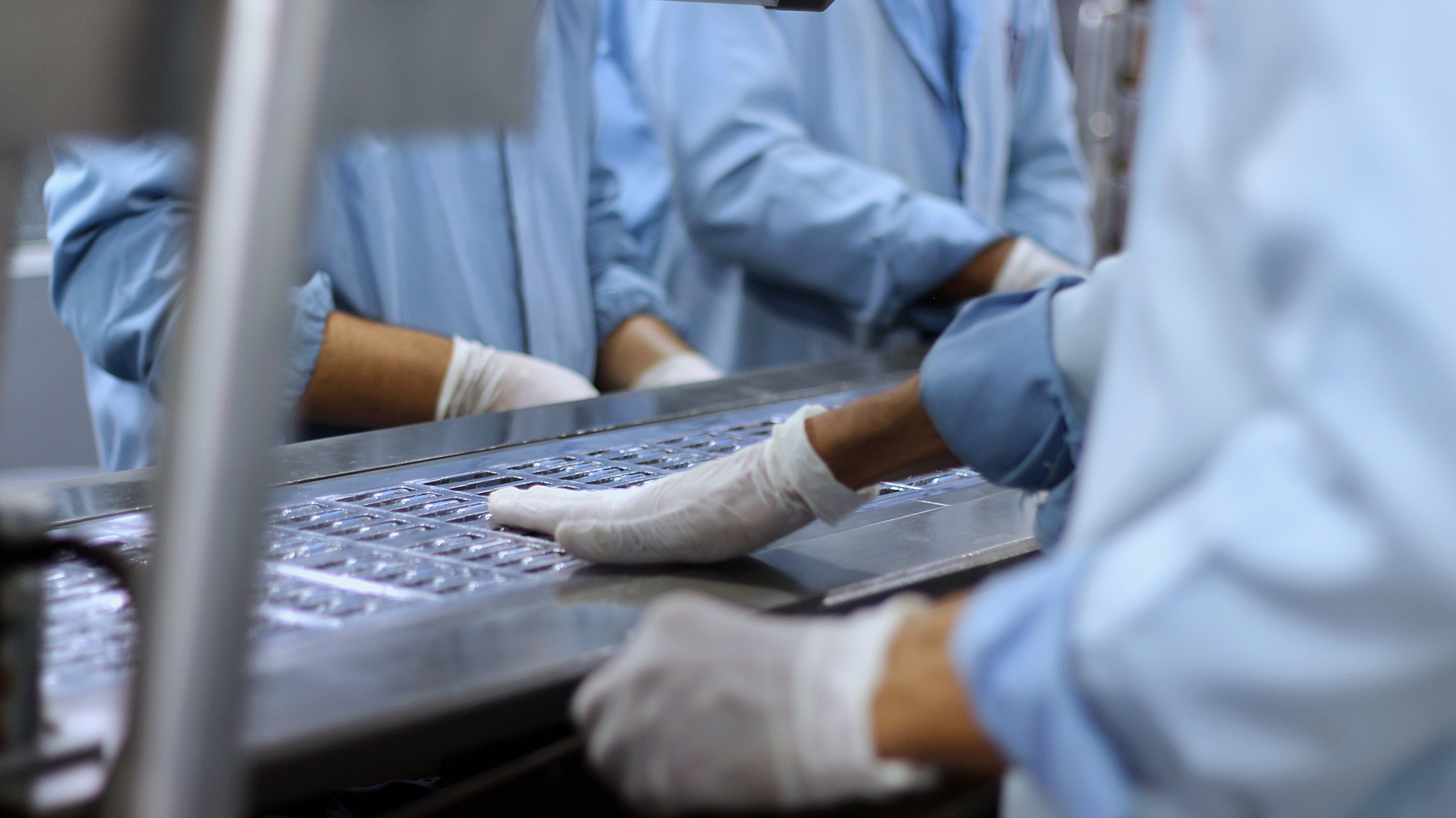
An independent inspection agency doesn't have that conflict. Send them to the floor unannounced, not on a day the factory's had two weeks to prepare for. They pull random units from the bottom of pallets, not the top ones staged for show. They test zippers, drop boxes to check packaging durability, and report back the actual condition of the goods, not the version the factory wants you to see.
Lock down your supply chain with A2Z Supply Chain
Managing overseas inspections across a 12-hour time difference wears down even a well-staffed team, let alone a founder trying to run everything else at the same time. A2Z Supply Chain puts boots on the ground so you don't have to be the one checking a factory floor at 2 am your time.
Supplier coordination: We manage POs and enforce your AQL limits directly with the factory managers, so the standards are clear before production even starts.
Round-the-clock support: Our ops pod operates 24/7 on Slack. When an inspector flags an issue, we triage it immediately instead of waiting for your next business day.
Logistics: We book freight only after a batch passes a strict third-party inspection, so you're never paying to ship inventory that shouldn't leave the factory.
Forecasting: We calculate lead times that actually account for quality checks, so inspections don't turn into stockouts down the line.
Inventory planning: Clean, inspected inventory routes straight to your active sales channels, without a detour through a warehouse that has to sort the good units from the bad.
The cost of a good inspection process is small next to the cost of a container you can't sell. Most brands only learn that the expensive way, once.